
Most current climate models suggest that limiting warming to <2°C will require large scale deployment of carbon dioxide removal (CDR) technologies. CDR may be natural or technological, with one of the most scalable technological approaches being the direct capture of CO2 from the air, or “direct air capture” (DAC) coupled with geologic storage. Because of the ultra-dilute nature of air, the separation of CO2 from this mixture presents a significant engineering challenge. Today, DAC technologies are very expensive ($500-1000/tCO2).
In this lecture, I will describe the unique challenges associated with designing molecules, materials, devices and ultimately processes for DAC. Specifically, I will describe the design and synthesis, characterization and application of porous oxide-supported amine materials that we have developed as cornerstones of new technologies for the removal of CO2 from air. These materials are incorporated into customized air/solid contactors designed specifically as key components of DAC technologies. DAC offers an interesting case study for the parallel and integrated design of materials, unit operations, and processes in chemistry and chemical engineering.
嘉宾介绍
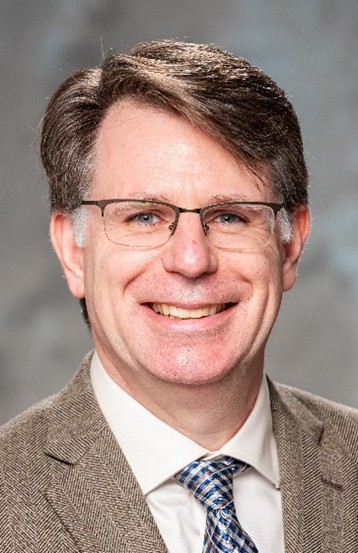
Christopher W. Jones
美国国家工程院院士Jones’ work in both catalysis and CO2 separation has been recognized with awards from numerous organizations including the ACS, AIChE and North American Catalysis Society. These include the top US early career catalysis award – the Paul H. Emmett Award in Fundamental Catalysis (2013) and the top US mid-career chemical engineering award the Andreas Acrivos Award for Professional Progress in Chemical Engineering (2016). Jones was elected to the US National Academy of Engineering in 2022 and the US National Academy of Inventors in 2023.