
Closed-loop gene circuits are ushering in a new era of cybernetic therapeutics and self-driving medicine, in which treatment is no longer delivered according to fixed schedules but is continuously adapted to the body’s changing physiological state. Rooted in synthetic biology and amplified by the convergence of bioelectronics and adaptive materials, these systems are designed to sense molecular and metabolic cues, diagnose emerging imbalance, compute appropriate responses, and autonomously tune therapeutic output in real time. Unlike conventional open-loop interventions, they establish a therapeutic logic that can diagnose, treat, and ultimately prevent disease progression, with the long-term prospect of durable cure through continuous physiological recalibration. In doing so, this emerging paradigm extends the enduring principle articulated since the Renaissance by Paracelsus, that dose determines both efficacy and toxicity, into a new framework of dynamic therapeutic regulation. Feedback-controlled cell and gene therapies can thus be envisioned as integrated systems that detect deviation, process information, and restore homeostasis around defined physiological setpoints. In this sense, self-driving medicine may represent the most profound medical transformation since the Paracelsian concept of dose, reframing therapy as dynamic, bidirectional control of function rather than episodic correction of dysfunction.
嘉宾介绍
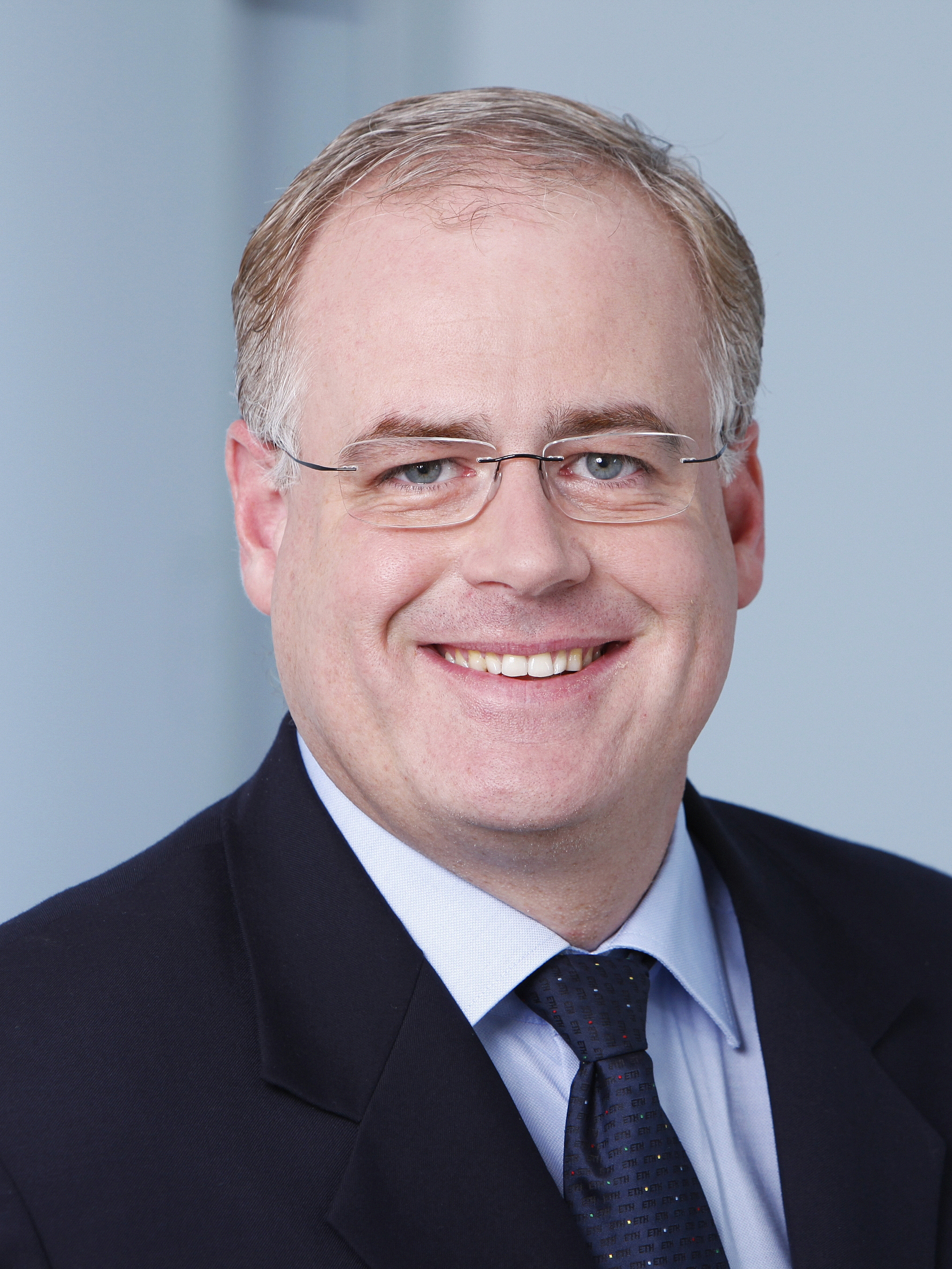
Martin Fussenegger
美国国家工程院外籍院士