
Functional MRI has been used for over 35 years to detect neural activity in the cortex by exploiting the blood oxygenation-level dependent (BOLD) effect, and has become an essential tool for mapping brain function. In addition, correlations between BOLD signals from different regions in a resting state are interpreted as depicting functional connectivity and reveal neural circuits. However, BOLD signals have rarely been reported from white matter (WM), which constitutes over half the brain and encompasses the communication networks between cortical areas and between the brain and the spine. Despite this oversight, it is clear BOLD signals are robustly detectable in WM if appropriate analyses are used, WM BOLD responses can be evoked by stimulation in task-specific tracts or regions, and at rest, signals within WM tracts show reproducible patterns of correlations with gray matter (GM). Moreover, these WM-GM relations are altered in various pathologies including Alzheimer’s disease in a manner that correlates with behavioral measures. BOLD signals may also be detected and analyzed in WM tracts in the spinal cord. By integrating multimodal data from various sources the relationships of BOLD signals in WM to glial cell density, vascular properties, tissue microstructure and degree of myelination have been established, which suggest the biophysical basis of BOLD in WM is similar but different from GM in important ways. This presentation will summarize some of our recent studies that provide evidence that BOLD signals in WM are related to brain functional activity and deserve greater attention by the neuroimaging community.
嘉宾介绍
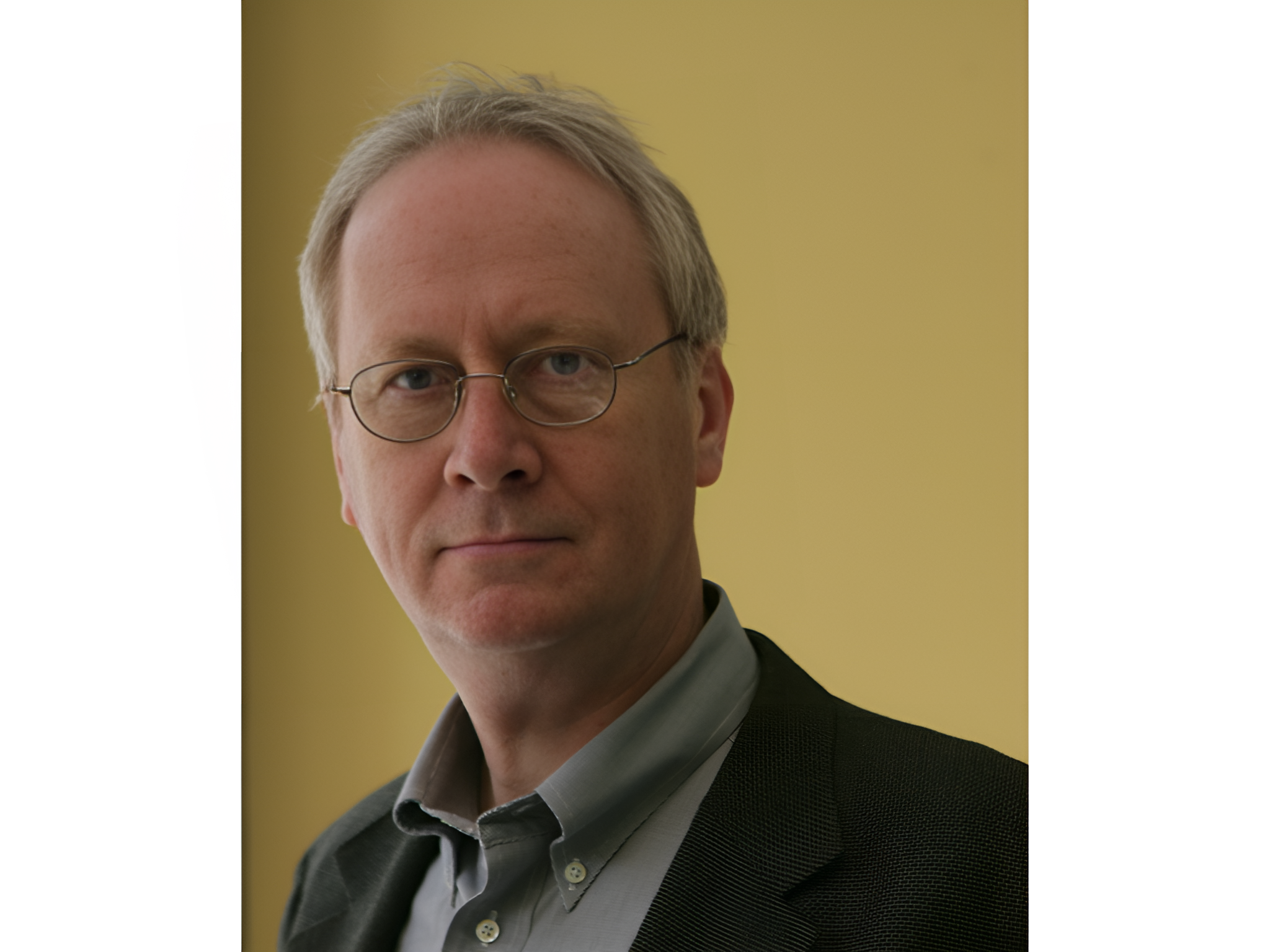
John C. Gore
美国国家工程院院士Dr. Gore obtained his B.Sc. in Physics from the University of Manchester in 1972, a Ph.D. in Physics from the University of London in 1976, and a BA degree in Law from Ealing College, London in 1982. He also has an honorary degree from Yale University.
He is a member of the National Academy of Engineering and an elected Fellow of the American Association for the Advancement of Science, the American Institute of Medical and Biological Engineering, the International Society for Magnetic Resonance in Medicine (ISMRM), the American Physical Society, the National Academy of Inventors, the International Academy of Medical and Biological Engineering, and the Institute of Physics (UK). He is also a Distinguished Investigator of the Academy of Radiology Research and Overseas Fellow of the Royal Society of Medicine (UK).
He has been honored with several awards including the Gold Medal of the ISMRM (2004) for his contributions to the field of magnetic resonance imaging, the Earl Sutherland Award for Achievement in Research from Vanderbilt University. Dr. Gore has published over 700 original papers and contributions within the medical imaging field. His research interests include the development and application of multimodal imaging methods for understanding tissue physiology and structure, molecular imaging and functional brain imaging.